Summary of a September 18 presentation to the CCWC. by Cynthia Haverkamp, Health Justice Coordinator, Tacoma Pierce County Health Department
Throughout the U.S., seasonal extreme heat and wildfire events have increased, as they have in Pierce County, significantly impacting air quality. Wildfires cannot only irritate bodily functions and systems; they can result in early-term births, Stress and anxiety, and reduced ability to learn/ Extreme heat events result in higher daytime temperatures, reduced nighttime cooling, and increased air pollution. Moreover, these events can produce General discomfort and respiratory difficulties, including heat cramps. heat exhaustion, or non-fatal heat stroke
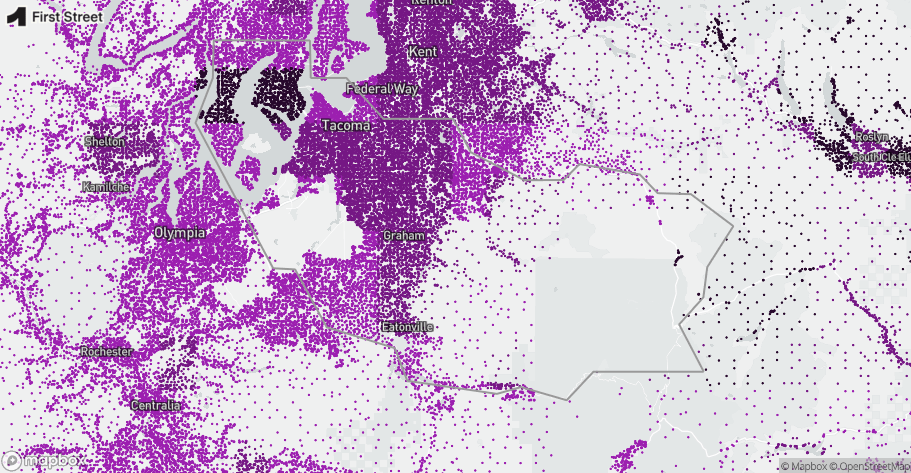
As wildfires and higher temperatures have increased, the health of residents has and will be impacted, particularly those under 18, over 65, pregnant, or living with heart or lung disease, or COPD.
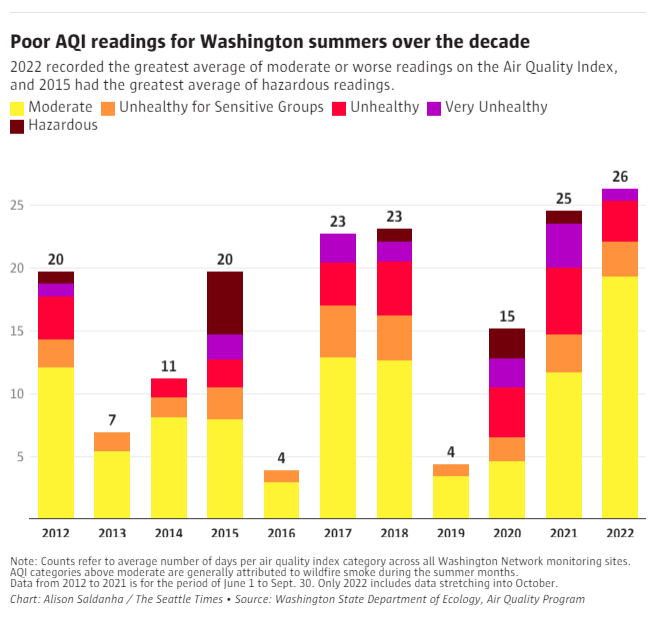
Air quality and excessive heat have impacts on our watershed that are evident in present conditions and those predicted for the not-distant future.
| Immediate Impacts | Prolonged Impacts |
| Drier summers lead to reduced soil moisture and increased fire risk. | Reduction in biodiversity as invasives thrive and native species struggle. |
| Increased waterway sediment from increased rains results in more sediment which damages fish habitat. | Shifts from snow-dominated to rain-dominated water sources will change stream flow and water temperature. |
| Ash, debris, and firefighting byproducts can contaminate water sources, lakes, and streams, harming humans and wildlife. | Stronger storms will increase flooding and erosion. Burn scars and faster stream flows contribute to erosion. |
| Harmful algal blooms become more prevalent with increased nutrients after a fire. |
To address these stressors and pressures, TPCHD actively works with partners to offer resources and strategies for mitigating threats to health and air quality.
√ National Environmental Health Association – funded interns to research, represent TPCHD, and facilitate box fan dissemination.
√ Pierce Conservation District – initiated Firewise education and property assessment
√ Puget Sound Asthma Coalition – organized and disseminated box fan demonstrations and giveaways and provided infographics throughout Pierce County.
TPCHD has also partnered with 29 agencies to install and maintain low-cost Purple Air air sensors. They also provide outreach and educational strategies including How to Improve Air Quality and Your Health, How to Protect Yourself from Wildfire Haze, and How to Keep Cool
 cloverchamberscreekwatershedcouncil.blog